
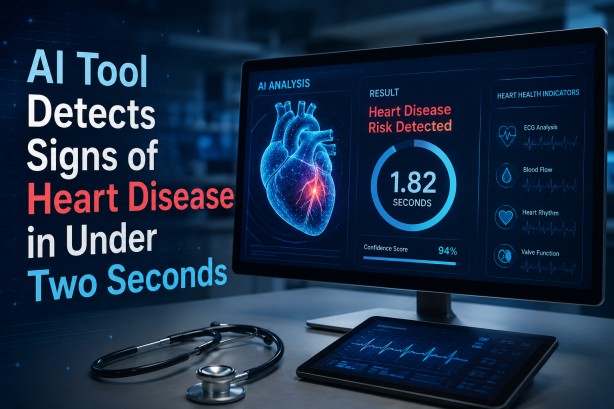
In a groundbreaking development, doctors have introduced an artificial intelligence tool capable of analyzing electrocardiograms (ECGs) in under two seconds, identifying patients at significant risk for heart failure and heart valve disease. This innovation, trained with millions of ECGs, can detect subtle patterns not visible during a standard ECG evaluation by medical professionals. Recent trials involving 67,000 U.S. patients demonstrated the AI’s capacity to identify up to 81% of individuals with heart failure and 90% with heart valve disease.
ECGs are a staple in medical diagnostics, with approximately one billion conducted globally every year. However, patients suspected of heart issues often face long waits for echocardiograms, a more detailed test. The AI tool’s design is not to replace definitive diagnoses but to assist doctors in prioritizing high-risk patients for echocardiograms and further testing, potentially enabling earlier treatment interventions.
Researchers are optimistic about the AI’s future applications, suggesting it could eventually analyze ECGs conducted for other medical reasons, potentially uncovering undetected heart conditions. This capability could reshape how routine ECGs are utilized, expanding their role in early heart disease detection.
Future plans include developing portable AI-powered ECG devices for healthcare professionals, promising faster, more accessible early detection of heart conditions. This advancement could revolutionize patient care by transforming how quickly high-risk patients are identified and treated, ultimately improving outcomes and saving lives.