
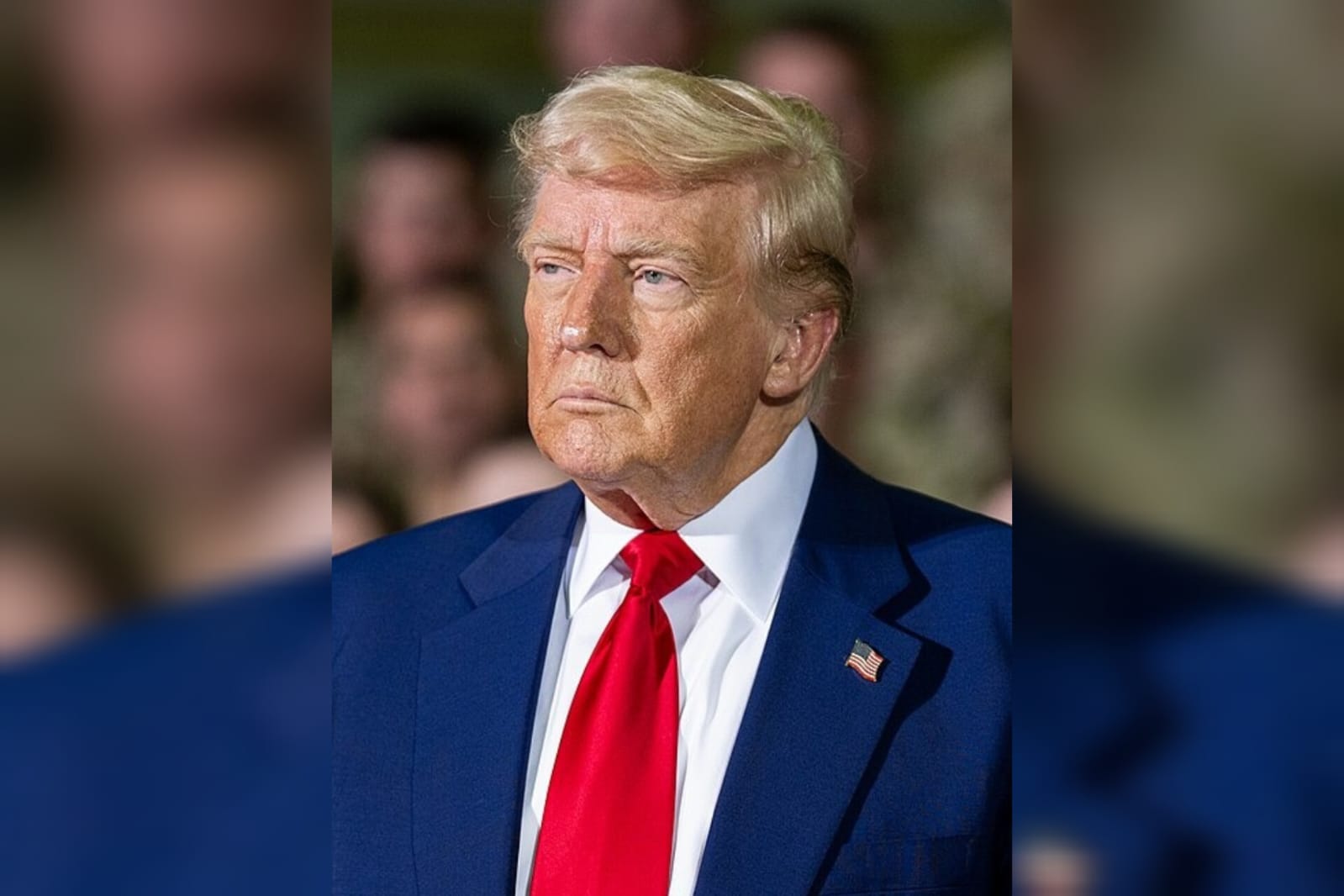
President Donald Trump announced a new U.S.–Iran agreement aimed at significantly reducing security risks for Israel, particularly the threat of a nuclear attack from Tehran. In discussions with Israeli Prime Minister Benjamin Netanyahu, Trump emphasized that the deal directly addresses Israel’s primary security concern. He described the agreement as a crucial safeguard, asserting it ensures Israel will not face a nuclear strike from Iran.
The 14-point memorandum, signed by the U.S. and Iran, includes a 60-day negotiation period focusing on Iran’s nuclear program, along with provisions to reopen critical trade routes and ease certain sanctions. While the agreement outlines steps toward regional stability, it leaves unresolved issues such as Israel’s military activities in Lebanon, which remain sensitive and politically charged.
Trump assured Netanyahu that the deal serves as a protective measure for Israel, enhancing its long-term security. He expressed confidence that the agreement would be viewed positively by Israel, despite prevailing regional tensions. The U.S. administration has framed the deal as a security achievement, though reactions within Israel are mixed. While some critics warn that reducing pressure on Iran could bolster its regional influence, proponents of diplomacy argue that the deal may lower the risk of broader conflict.
Amid these developments, Israeli leadership is facing domestic scrutiny over its regional policy strategies. Political opponents have criticized the government, suggesting recent actions reflect strategic misjudgments. As the agreement moves forward, its full implementation and long-term effects remain uncertain, with ongoing negotiations set to determine its ultimate impact.