
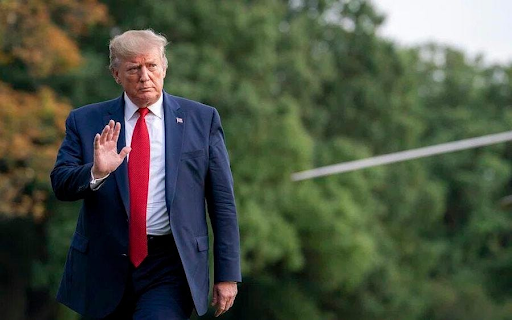
President Donald Trump has created a transatlantic diplomatic linkage between Washington-based pressure on Ukraine and Miami-based engagement with Russia, with Thursday’s Oval Office warning to Kyiv serving as the American component of a coordinated effort that culminates in weekend meetings between his envoys and Russian officials in Florida. This transatlantic approach reflects strategic calculation about how to influence both parties through geographically distributed but temporally coordinated diplomatic initiatives.
Trump’s creation of transatlantic linkage between different elements of the peace effort serves to amplify American influence through multiple simultaneous channels. The Washington pressure on Ukraine operates in the public sphere, creating urgency and signaling expectations, while the Miami engagement with Russia will occur in private diplomatic settings allowing for candid exploration of positions. By coordinating these geographically separated but strategically linked initiatives, Trump attempts to create conditions where both parties feel compelled to demonstrate flexibility.
Steve Witkoff and Jared Kushner will execute the Miami component of this transatlantic strategy when they meet Russian officials this weekend. Having recently completed two intensive days of Berlin consultations with Ukrainian representatives, the envoys bring comprehensive understanding of Ukrainian positions to their Florida discussions with Russian officials. The transatlantic trajectory—Berlin to Washington (via Trump’s public statement) to Miami—creates a diplomatic arc that spans continents while maintaining strategic coherence through coordinated messaging and timing.
Ukrainian President Zelensky and US officials have characterized recent negotiating rounds in generally positive terms, suggesting meaningful dialogue has generated some momentum. However, Ukraine’s position on territorial integrity remains unchanged: no peace agreement will legitimize Russian control over any Ukrainian sovereign territory. Ukrainian officials have been particularly emphatic about the Donbas region, declaring it non-negotiable despite the transatlantic diplomatic coordination aimed at encouraging Ukrainian flexibility on difficult issues.
Russia’s core demands center on territorial recognition that Ukraine flatly rejects. Moscow currently exercises control over Crimea, annexed in 2014, and substantial portions of Donetsk, Luhansk, Zaporizhzhia, and Kherson, occupied during the 2022 invasion. Russian negotiators insist not only on Ukrainian recognition of these territorial changes but also on complete Ukrainian military withdrawal from the entire Donbas region, including areas currently under Kyiv’s control. US officials familiar with the negotiations report that Russian delegates have shown minimal interest in moderating these territorial requirements. Trump’s transatlantic diplomatic linkage—connecting Washington pressure, Berlin consultations, and Miami engagement—demonstrates impressive organizational sophistication and geographic reach, yet this transatlantic coordination confronts the same fundamental obstacle that simpler approaches face: the mutual exclusivity of the parties’ core positions on territory, which may not be reconcilable through any degree of geographic distribution or strategic linkage of diplomatic initiatives across continents.