
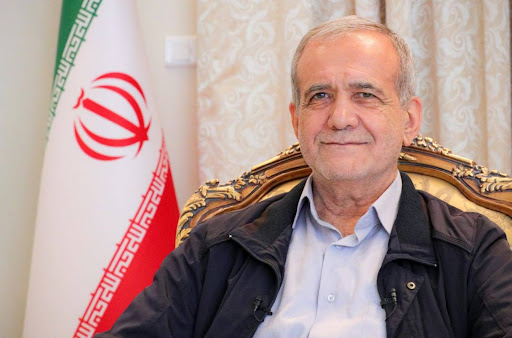
President Masoud Pezeshkian has argued that regional progress is directly tied to the removal of foreign powers from the Middle East. He stated that the U.S. and Israel should not be “running” the ongoing war from Gulf territory if nations want “security and development.” This call for autonomy was issued as the war entered its second month, specifically on March 28, 2026.
The conflict has hit home for countries like the UAE, Saudi Arabia, and Oman, where foreign bases are used for combat missions. Iran has justified its strikes on these neighboring countries as a direct response to the U.S. military presence on their soil. This has turned the entire Gulf into a theater for retaliatory fire, affecting critical industrial sites and civilian areas alike.
Pezeshkian clarified on X that Iran’s goal is not unprovoked aggression but the protection of its national assets. He warned that any damage to Iranian infrastructure would result in “strong retaliation” for those involved. This message is intended to force neighbors to rethink their military cooperation with the West.
The significance of these developments lies in the potential for a total realignment of Middle Eastern security policy. If Gulf states decide that hosting foreign bases is too risky, the regional balance of power will be permanently altered. This is a high-stakes moment for global diplomacy and the future of regional stability.
Pakistan is currently the only nation successfully facilitating talks between the various parties involved. Prime Minister Shehbaz Sharif is hosting a series of high-level meetings to foster dialogue and build trust. The outcome of these discussions will be vital for the future of West Asian security and global trade.