
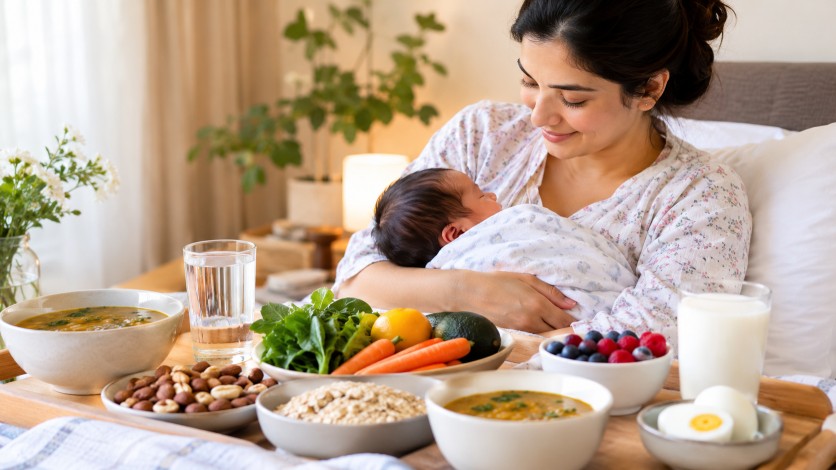
Postpartum nutrition plays a crucial role in a mother’s recovery after childbirth, providing the necessary support for tissue repair, energy maintenance, and meeting the increased demands of breastfeeding. While new mothers often prioritize the care of their newborns, it is essential to focus equally on their own health and nutritional needs.
Recovery after childbirth can vary significantly, influenced by factors such as the type of delivery, blood loss, and any complications experienced. While some women may regain their strength within weeks, others might require several months before feeling fully recovered. During this time, the body is not only healing from childbirth but also adapting to new routines, including breastfeeding and altered sleep patterns.
A balanced diet is vital for replenishing nutrients lost during delivery. Iron-rich foods like lentils, beans, leafy greens, eggs, and meat help produce healthy red blood cells, especially important for those who experienced significant blood loss. Pairing these with vitamin C-rich foods can enhance iron absorption.
Protein intake is equally important for tissue repair and muscle strength. Foods such as chickpeas, beans, dairy products, eggs, fish, and tofu offer valuable protein sources that can be easily incorporated into daily meals without complex planning.
Calcium and vitamin D are necessary for bone health and muscle function. Dairy products and fortified alternatives contribute to calcium intake, while eggs and oily fish provide some vitamin D. In cases of suspected deficiency, healthcare professionals may recommend supplementation.
Fruits and vegetables provide essential vitamins, minerals, and fiber, aiding in overall health and helping prevent postpartum constipation. Including a variety of fresh, frozen, or cooked produce can ensure a broad nutrient intake.
Whole grains like oats, brown rice, and millet are excellent sources of energy and fiber, promoting digestive health. Pairing them with proteins and vegetables can create balanced, satisfying meals. Healthy fats from nuts, seeds, and plant oils support overall health and can serve as convenient snacks.
Staying hydrated is also crucial, particularly for breastfeeding mothers. Regular intake of water, milk, and nourishing fluids is advised without forcing excessive consumption.
Preparing for postpartum nutrition doesn’t require elaborate meals. Families can assist by preparing meals in advance and sharing responsibilities, allowing mothers the time to rest and eat adequately. The postpartum period should focus on recovery rather than rapid weight loss, with adequate nourishment and professional guidance supporting a mother’s health and well-being during this critical time.