
Fatty liver disease has become alarmingly common, with recent studies showing that metabolic-dysfunction-associated steatotic liver disease may affect four in ten adults. This widespread condition often progresses silently, with many affected individuals remaining unaware until advanced stages.
Unlike alcohol-related liver disease, this form develops from metabolic dysfunction associated with obesity and diabetes. The stakes are high—without proper management, simple fat accumulation can escalate to serious complications including fibrosis and malignancy.
Fortunately, dietary intervention offers a practical approach to managing liver health. A nutrition specialist has identified five specific foods that provide significant benefits when incorporated into regular eating habits.
Black coffee emerges as a surprisingly beneficial beverage for liver health. Research has demonstrated that caffeine consumption helps slow the progression of liver disease and reduces fatty deposits in liver tissue. For coffee enthusiasts, this represents an easy way to support liver health daily.
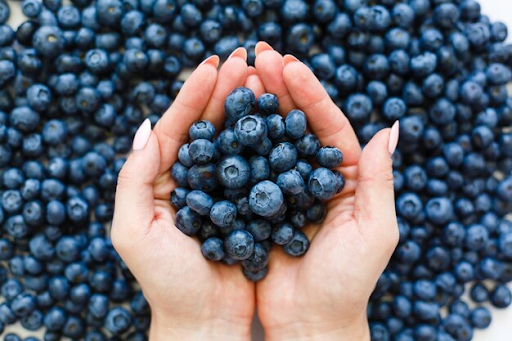
Blueberries offer impressive benefits for liver health through their rich anthocyanin content. These bioactive compounds deliver potent anti-inflammatory effects that specifically target liver cells. By reducing cellular inflammation, blueberries provide a natural and accessible way to combat fatty liver disease.
Amla stands out for its exceptional vitamin C content, which provides powerful antioxidant effects. This traditional fruit helps reduce oxidative stress, a major contributor to fatty liver development. Regular consumption can lead to measurable improvements in liver function and metabolic health.
The avocado’s benefits for liver health center on its glutathione content. This essential compound enhances liver cell production and regeneration, supporting the organ’s natural healing and renewal processes. Glutathione also reduces oxidative stress, helping to prevent fatty liver disease progression.
Turmeric combined with black pepper forms a synergistic pairing for optimal liver health. Turmeric provides curcumin with its exceptional anti-inflammatory and antioxidant properties, while black pepper’s piperine dramatically enhances curcumin absorption. This combination creates a powerful dietary strategy for reducing inflammation and preventing fatty liver disease.