
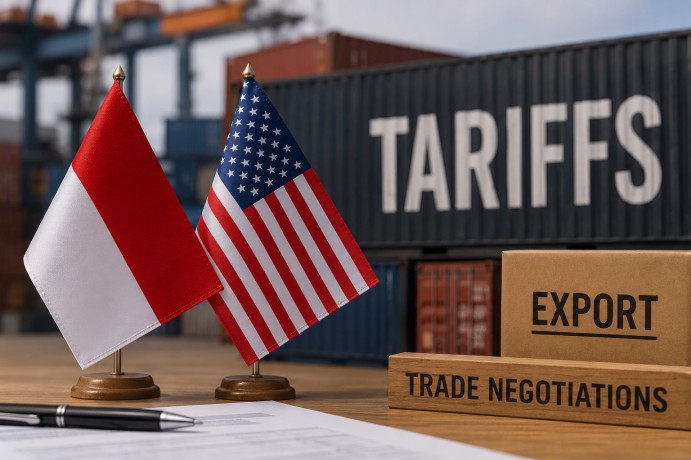
Indonesia is currently seeking assurance that the United States will uphold previously agreed-upon tariff exemptions for its key exports following the implementation of a new 10% tariff by the U.S. This new tariff, introduced due to concerns over forced labor enforcement, affects Indonesia along with other nations now subject to this levy. Indonesian officials emphasize their ongoing communication with U.S. trade authorities, expressing hope that existing agreements will continue to facilitate duty-free access for essential products such as crude palm oil, cocoa, coffee, and natural rubber.
In addition to the tariff concerns, Indonesia is also anticipating the results of a separate U.S. investigation into structural excess capacity, which might lead to further trade measures. The Indonesian government has affirmed its commitment to negotiating favorable tariff rates to protect its export market amidst these developments.
The updated U.S. trade policy also provides preferential treatment for specific Indonesian textile exports that incorporate U.S. cotton and other American inputs. This aspect of the policy underscores the interconnected nature of the trade relationship between the two countries, even as broader tariff issues are addressed.
Trade between Indonesia and the United States remains robust, with reports indicating that bilateral trade hit $18.4 billion in the first five months of 2026. Indonesia has maintained a trade surplus of approximately $7 billion during this period, highlighting the economic significance of their trade relations despite the current challenges.