
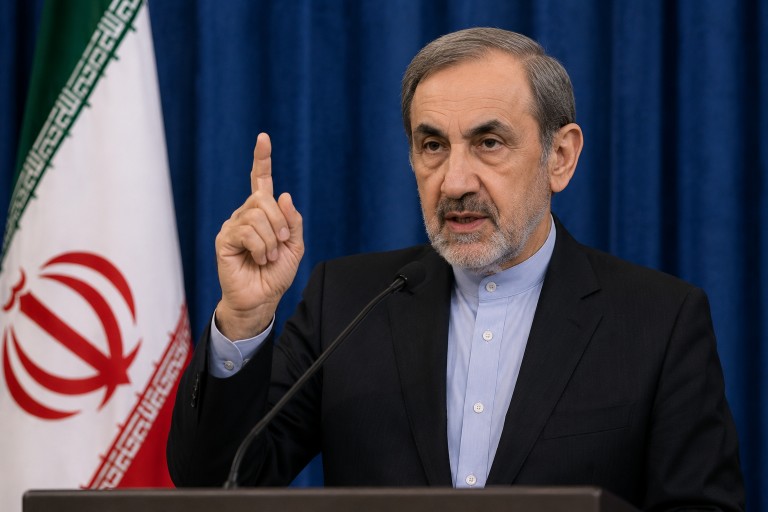
Tensions between Iran and the United States have escalated following President Donald Trump’s declaration that an interim agreement aimed at mitigating conflict between the two nations is “over.” This announcement has prompted a stern warning from Iran, with Ali Akbar Velayati, a senior adviser to Iran’s supreme leader, accusing the U.S. of reigniting hostilities in the Gulf region. Velayati emphasized that Iran stands ready to respond to any further military actions, stating that the nation has its “finger on the trigger” and will not remain passive in the face of perceived threats and provocations.
President Trump’s comments were made during a NATO summit, where he expressed that the ceasefire agreement could no longer be considered valid. This decision came in the wake of fresh Iranian attacks on U.S. military bases located in Bahrain and Kuwait, which themselves were in retaliation for U.S. strikes on Iranian targets. These U.S. actions were a response to assaults on commercial vessels navigating through the strategically significant Strait of Hormuz.
The U.S. president further raised the stakes by warning of potential additional military actions against Iran. He indicated that American forces might conduct more strikes if Tehran continues its current course, and suggested that key strategic infrastructure in Iran, such as Kharg Island, could be targeted in future military operations.
The exchange of threats between the two nations has further diminished any lingering hopes of reinstating the ceasefire, instead fueling concerns over the possibility of a broader conflict in the Gulf region. This renewed tension continues to unsettle regional security and disrupt global energy markets, as both countries remain on high alert.