
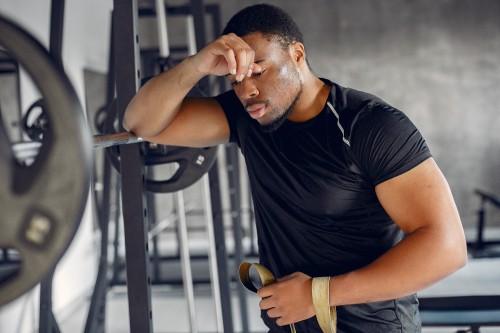
Regular exercise is crucial for maintaining a healthy weight, but more isn’t always better, as pushing the body too hard can hinder fat loss and impair overall health. Fitness professionals warn that overtraining—exercising with excessive intensity or volume without adequate recovery—can stress the body to the point where it struggles to burn fat, build muscle, and sustain energy.
Overtraining manifests through various symptoms, such as stalled progress in fat loss or strength, poor sleep, constant fatigue, low motivation, heightened anxiety or irritability, decreased libido, and an elevated resting heart rate or slower recovery post-exercise. These signs indicate that the body is under prolonged stress, which can lead to elevated cortisol levels—the primary stress hormone. Persistently high cortisol can slow fat loss, store more fat, particularly around the abdomen, break down muscle tissue, lower testosterone, disrupt normal thyroid function, delay recovery, and diminish performance. Everyday stressors like work, lack of sleep, and emotional pressures exacerbate the stress from overtraining.
To prevent overtraining, maintaining a balanced fitness regimen is essential. Experts suggest strength training three to four times a week at the right intensity, consuming sufficient protein and calories, and prioritizing quality sleep with a regular schedule. Incorporating recovery activities such as walking, stretching, mobility exercises, and relaxation techniques is also recommended. If progress is stagnant despite adhering to a healthy routine, seeking medical advice is advisable, especially if hormonal imbalance is suspected.
Sustainable fat loss is achieved through consistency, balanced nutrition, effective training, and adequate recovery. Allowing the body sufficient rest is crucial, as it enables adaptation, recovery, and improved performance over time. By listening to the body’s signals and adjusting workout routines accordingly, individuals can avoid the pitfalls of overtraining and support their long-term health and fitness goals.